
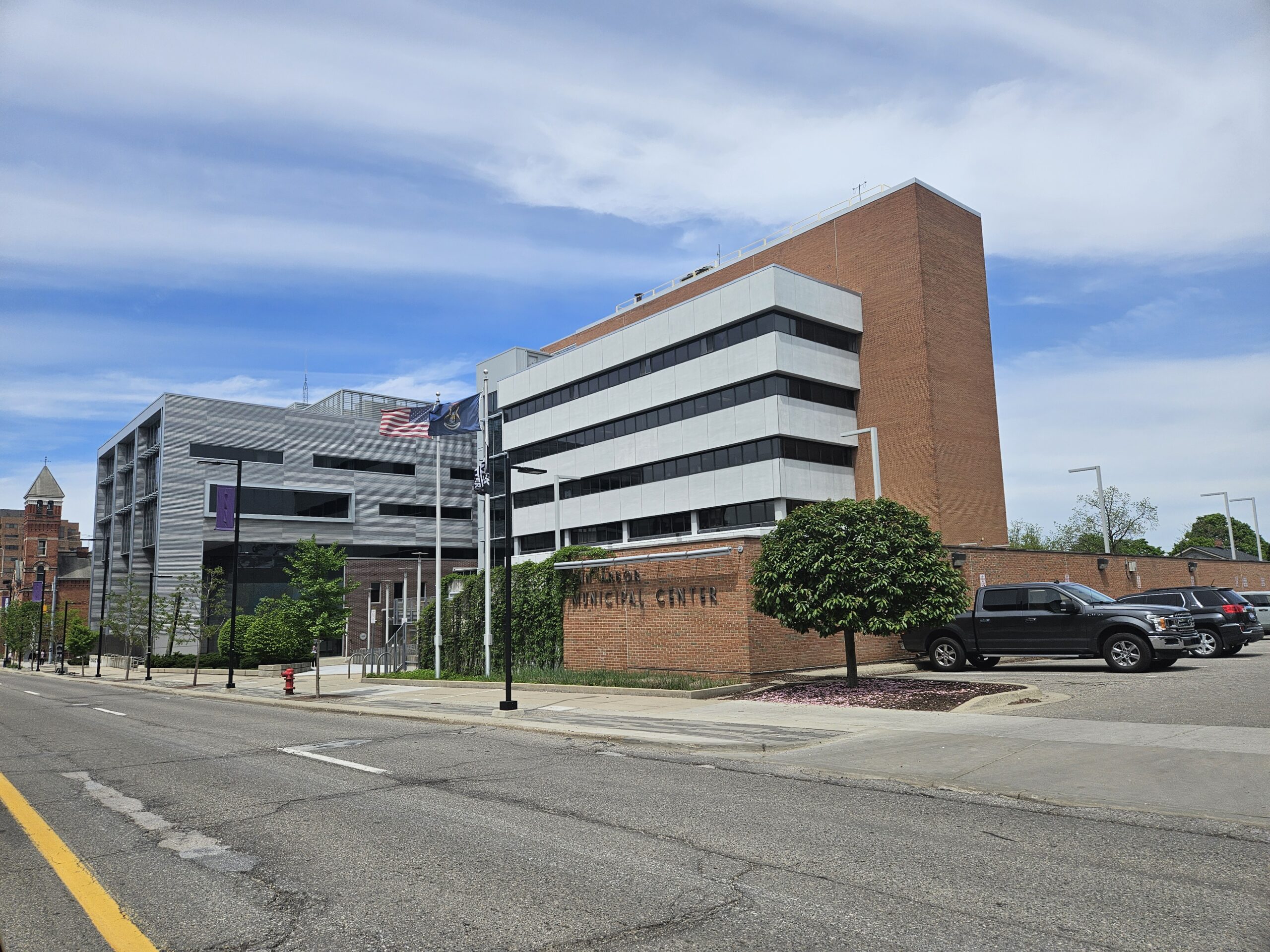
Housing affordability has become a persistent challenge in Ann Arbor, but for people returning from incarceration, finding stable housing can be even more difficult. Criminal records often create additional barriers to securing housing and employment, leaving many caught in a cycle that is difficult to escape. Rising Hope is a nonprofit that addresses these challenges. Additionally, the Ann Arbor City Council has dedicated $700,000 from two sources of taxpayer money to provide a way out from incarceration and into becoming tax paying citizens living dignified lives. And they are doing it by combining opioid settlement funds with marijuana excise tax funds.
“It was a moment of relief. It was a moment of victory. I felt very supported by my peers, because in the beginning I had to have a lot of conversations with my peers, to explain why this was important and why we needed to invest—because we know who the war on drugs has really impacted, and is still impacting today…. While marijuana is legal, there are people right now… We have 27 marijuana boutiques, but we still have people cycling in and out of the carceral system because of drug use,” Councilor Cynthia Harrison (Democrat – Ward 1) said when the A2 City Council passed the measure last spring.
The program launched in July 2023 using a trauma-informed approach to help end housing insecurity for residents who have previously had contact of some kind with the carceral system. It helps with security deposits, arrears in rent, utility shut offs and peer support for renters. To qualify, the program speculates that you “must be a Washtenaw County Resident”, “already have a housing choice voucher or been approved to receive a housing choice voucher” and “someone living in the household who is or has been justice-impacted.”
The Ann Arbor City Council voted unanimously to substantially increase funding for the program from $565,000 last year to $700,000 in the next fiscal year. This means that $400,000 in tax revenue from the Opioid Settlement Funds in Ann Arbor will now compliment $300,000 from the Marijuana Excise Tax Rebate to fund the program. For context: that seven-tenth of a million dollars is out of the $170,079,631 budget that Ann Arbor will be running off in the next fiscal year.
Sharon Lapides, the Community Housing Locator at the Washtenaw Housing Alliance, told Current that the extra money will allow them to help more people and expand the programs scope. “Because it’s opioid settlement dollars, we’re looking at doing some additional training for our staff, but also we’re able to then in some ways expand the services, meaning that we’re going ot be doing more referral and linking people to needed resources that are impacted by substance abuse disorders. Right now we’re not asking questions about that aspect when somebody comes to us for assistance, but we do know that we have folks that have come to us that have substance abuse disorders. So being better educated about that, and the needs that the individuals may have, and being able to coordinate and refer them to needed resources to address their substance abuse disorders.”
RELATED: Ann Arbor Explores Bond Funding to Increase Affordable Housing Access
This particular program is not doing anything about police reform, it is not dealing with over-policing, or the whole system – I call it the punishment economy… – this program exists because we’re trying to address the root cause. We do know that the criminal legal system has disproportionately targeted People of Color and low-income communities for generations. If a particular individual is leaving incarceration, the harm doesn’t end when they get released,” Harrison added. “As a matter of fact, a lot of the harm starts when they walk out of the jail or the prison, because they face an entire wall of compounding barriers. The landlord screening policies, the criminal background checks, documentation requirements… gaps with digital access. Rising Hope for Housing is screening in individuals who are often screened out, trying to help people find housing… helping people stay housed.”
In addition to helping with housing, they will help with the incidental expenses that might go unnoticed to a middle class or wealthy person who has never had to interact with the criminal justice system, but could be devastating if you have a record and a limited budget. That’s why they will help with car repair expenses to ensure they can maintain the employment necessary to make rent, or getting into daycare or school.
“It seems that other communities through the Marijuana Excise Tax Rebate into general funding, so we’re very unique that we’re actually tying it into, in some respects, a reparations-type program – where it’s about those who have been impacted by the carceral system are getting these dollars directed towards them. That in itself is the vision that Cynthia [Harrison] had put forth,” Jessi Averill, a communications official at the Washtenaw Housing Alliance, explains. “Other communities have not done this in the same way.”
The program is a collaboration between the Washtenaw Housing Alliance, Avalon Housing, SOS Housing and Catholic Social Services Offender Success. You can see if you qualify for participating in Rising Hope by contacting Lapides or Averill over email. There is also an online brochure and flyer for more information.

Drew Saunders is a freelance business and environmental journalist who grew up just outside of Ann Arbor. He covers local business developments, embraces his foodie side with reviews restaurants, obsesses over Michigan's environmental state, loves movies, and feels spoiled by the music he gets to review for Ann Arbor!

