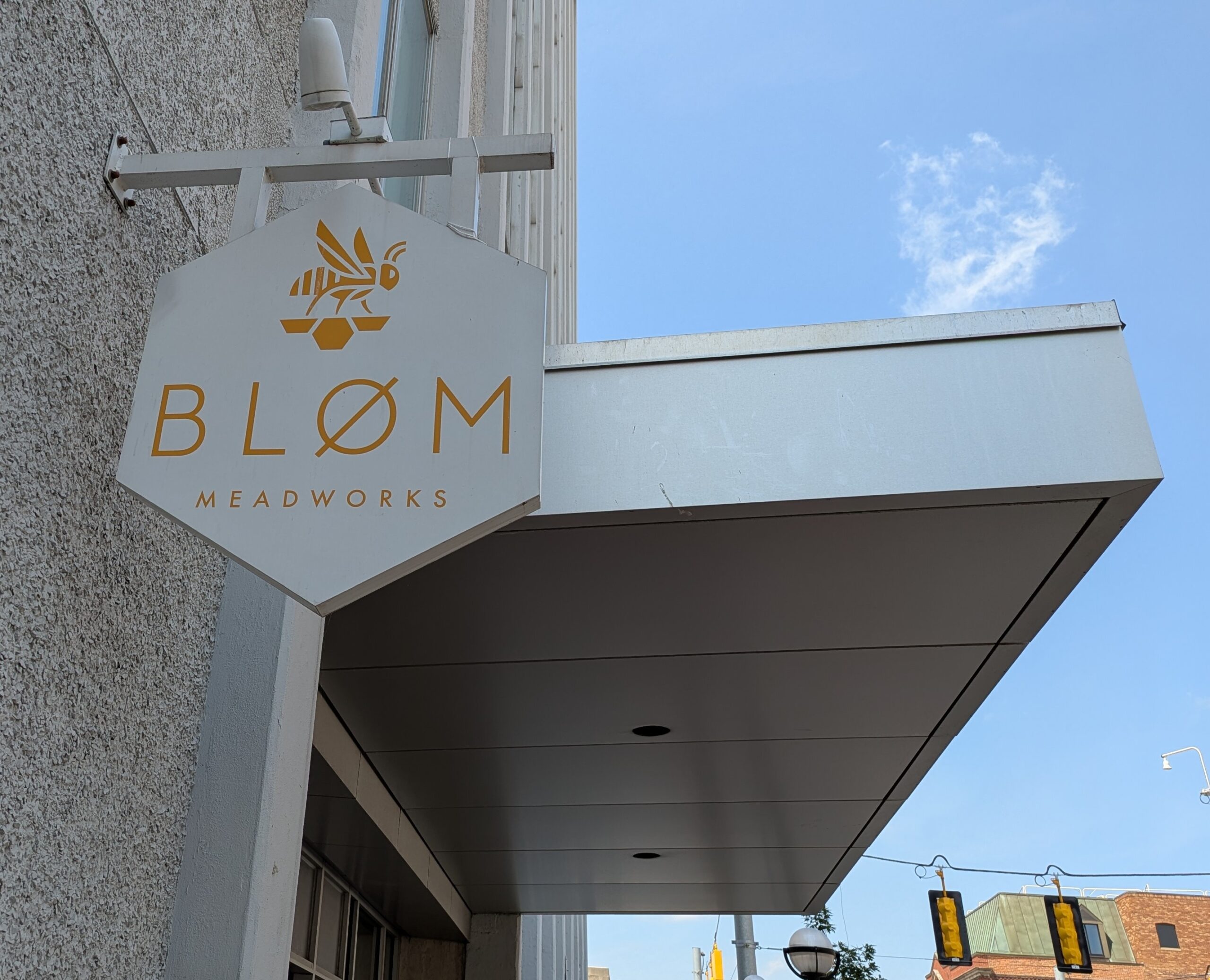
Many small businesses tensed when tariffs on aluminum and steel imports were announced to increase from 25% to 50%. The new regulation began in early June 2025, a year when many businesses’ profits have plateaued or declined. Bløm Mead + Cider founder Lauren Bloom is hopeful about the tariff’s effects, though she was apprehensive when they were first implemented.
“I was a bit nervous. We don’t have a lot of our sales that are dependent on aluminum raw materials, but certainly our canned products are,” Bloom said.
The tariff excludes raw materials. As long as the aluminum is melted and formed in the US, used beverage cans and scrap metals are not subject to the tariffs. Bloom contacted Bløm’s can provider, Hart Print, about price increases when the tariffs were announced. At first, no price increases were expected. Eventually, prices rose by about half a cent per can. Bløm has absorbed these costs but will reevaluate if price increases continue.
The Section 232 tariff focuses on finished products, like stainless steel kegs for mead and cider. For Bløm, equipment like barrels and kegs is only purchased when they become faulty, usually every 2 years.
RELATED: Places to Enjoy Hard Cider Downtown Ann Arbor
“One of the benefits of always striving for this circular economy or materials that are reused over and over, it protects you and shields you a little bit from these kinds of effects,” Bloom explained.
A circular economy reduces waste by collecting and recycling used products, minimizing the need for new materials. It transforms a linear path, taking materials from the Earth and discarding them after use, to a circle where waste isn’t produced.
Novelis is a global aluminum supplier for Hart Print. Every year, they utilize manufacturing scrap from factories and 82 billion used cans for new aluminum for beverage packaging.
“There was an unexpected [price] increase, but I think it was minimized by the fact that they source most of it from within the US,” Bloom said.
Novelis’s closed-loop recycling program “results in lower-carbon products, as recycling aluminum requires only 5% of the energy used to make primary aluminum, resulting in 95% less carbon emissions”, according to their website.
Making closed-loop recycling work starts with using completely recyclable packaging. While aluminum packaging is always recyclable, plastic and paper labels are not. Hart Print recognized this issue and became the first company to use digital inkjet printing on aluminum cans, making them infinitely recyclable.
Because of recycling innovations, small businesses like Bløm have not seen a significant impact on their costs.
“We put our product into [reusable] kegs to send to restaurants and bars in Michigan or in cans to sell through our tap room, grocery stores, wine stores, liquor stores, whatnot. So we’ve really only felt the effects [of the tariffs] on the canned products because it’s the only thing we purchase on a frequent basis,” Bloom explained.