
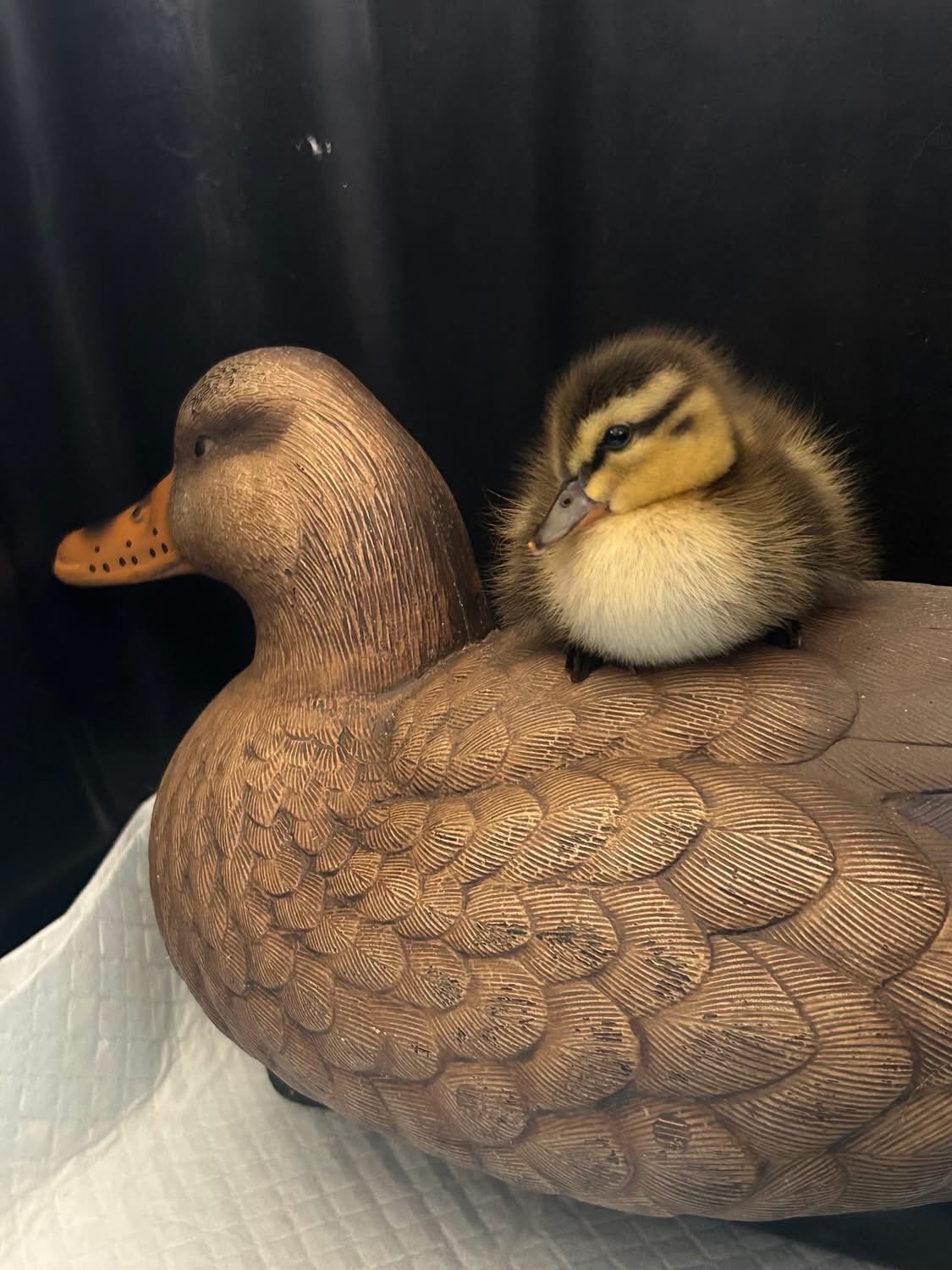
Just outside Ann Arbor, a quiet chorus of chirps, caws and flutters fills the air at the Bird Center of Michigan, where hundreds of injured and orphaned birds receive a second chance each year.
“We admitted over 2,000 birds last year alone,” said Marissa Jardine, the clinic manager at the Bird Center. “And most of them are brought in by people who just want to help. Someone finds a bird that hit a window or a baby that fell out of a nest and gives us a call.”
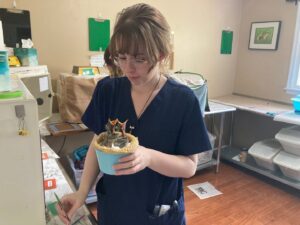
The nonprofit center started in 2004 after years of home-based wildlife rehabilitation work by founder Carol Akerlof. For more than 15 years, it operated out of a small city-owned polling location in downtown Ann Arbor before moving to a larger facility in Saline in 2021. The move allowed the center to expand significantly with more space, more cages, on-site X-rays and the capacity to care for waterfowl.
With the growth came a name change, from the Bird Center of Washtenaw County to the Bird Center of Michigan.
“We really do get calls from all over the state,” Jardine said. “Sometimes even from Ohio or the Upper Peninsula. We help as many as we can.”
The center specializes in native Michigan songbirds and waterfowl, especially babies. Few other facilities in the region accept these types of birds. Each bird that comes in will undergo a customized care plan depending on its species, age and injuries. On arrival, birds often receive oxygen and pain medication, followed by exams, splints, antibiotics or wound treatment as needed. Once stable, they begin physical therapy and eventually practice flying in large outdoor cages.
“We try to keep things as natural as possible,” Jardine said. “We limit human interaction to avoid imprinting, especially with baby birds. They need to learn how to be birds, not how to trust people.”
One case that stuck with her involved a day-old killdeer found alone and lethargic, with eyes swollen shut.
“We weren’t sure she’d make it,” Jardine said. “But she responded really well to fluids and feeding. Her eyes healed, and she grew so fast. On release day, she took off across the field, then circled back and flew right over my head, calling out. I like to think that was her way of saying thanks.”
A typical day at the Bird Center is anything but quiet. During peak season, staff and volunteers care for 300 to 400 birds at a time, feeding baby birds every 30 to 60 minutes from morning to night. In between, they administer medications, clean enclosures, answer calls and texts, and help the public understand what to do when they find a bird in trouble.
“We’re constantly educating people,” Jardine said. “There are a lot of misconceptions out there. Like if a bird flies off after hitting a window, it’s fine. But that’s not always the case. Head trauma can show up hours later.”
Another common myth is that birds caught by cats do not need help if they do not look hurt.
RELATED: ATC Brings Solar Solutions to the World’s Poorest Communities
“That’s a big one,” she said. “Cat saliva has bacteria that can cause fatal infections. Even small puncture wounds under feathers can be deadly.”
Despite its impact, the center faces constant challenges.
“Funding is our biggest hurdle,” Jardine said. “We don’t get any state or federal money. We rely entirely on donations and in-kind support.”
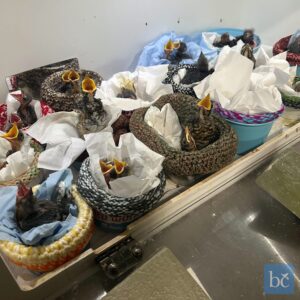
Volunteers are essential, especially during the busy baby season, which typically runs from spring to late summer. New volunteers help clean and prep food, while experienced ones feed baby birds and answer calls. The center also runs education programs during the off-season, giving talks at schools and community centers about how to help protect wild birds.
This year, the team is working on something new: a 32-foot flight cage specifically designed for aerial insectivores like swallows and swifts.
“They need space to really fly and practice those acrobatics before they can survive in the wild,” Jardine said.
Whether it is caring for an injured sparrow or raising a nest of orphaned robins, the Bird Center’s mission remains clear.
“We just want to give them the best chance possible,” Jardine said. “It’s a lot of work, but when you watch a bird take off into the sky again, it’s all worth it.”


